Self-Service Car Wash Insurance
Insurance for coin- and credit-card-operated self-service bays — unattended high-pressure wands, foamers, and vacuum stations.
Learn more →Specialty insurance · Car wash
Garagekeepers liability, property, general liability, and workers compensation for self-service, automatic, and tunnel car washes. Specialty markets that actually quote the class. Quotes back in one to two hours during business hours.
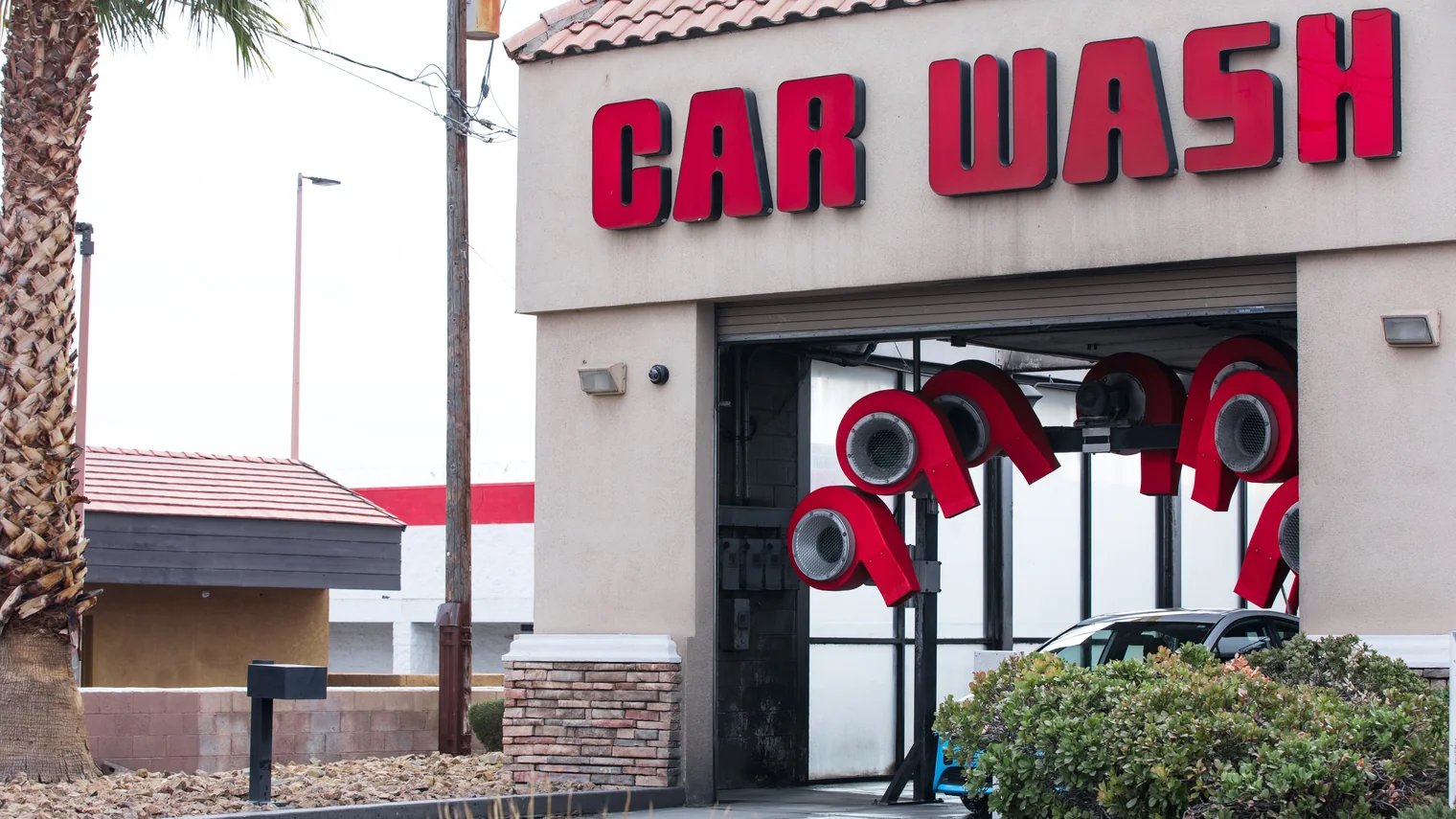
Three operating archetypes, three different risk profiles. Each one has its own coverage page with the underwriting realities, claim categories, and state-by-state considerations a car wash owner needs.
Insurance for coin- and credit-card-operated self-service bays — unattended high-pressure wands, foamers, and vacuum stations.
Learn more →Single-bay or multi-bay friction and touchless IBA systems where customers drive in, pay, and let the equipment do the work.
Learn more →Full-service and express exterior conveyor tunnels — the highest equipment count, employee count, and revenue concentration in the class.
Learn more →The four lines every car wash program should carry, plus the add-ons (equipment breakdown, business income, pollution liability, umbrella) that sit on top when the operation calls for them.
Premises liability and slip-and-fall coverage — customer injuries on wet pavement, vacuum-area incidents, and third-party claims from your operation.
Learn more →Customer auto damage coverage — the line that responds when your equipment scratches a vehicle, breaks a side mirror, or damages a car during the wash.
Learn more →Building, equipment, signage, and contents coverage. Fire, severe weather, vandalism, equipment breakdown, and loss of business income when your bays go offline.
Learn more →Required by most states for attended washes — chemical exposure, slip-and-fall on wet surfaces, equipment-related injuries, and lost wages.
Learn more →Cost guides, coverage walkthroughs, and owner resources for car wash operators.
What it actually costs to build a car wash in 2026 — site, equipment, reclaim, permits, and tech — broken down by self-service, IBA, and tunnel type.
Read post →How garagekeepers insurance pays customer vehicle claims at car washes — coverage triggers, what’s covered, exclusions, and the step-by-step claim process.
Read post →Due diligence checklist for buying a car wash — real estate, environmental, equipment, revenue, permits, and the insurance workstream most buyers miss.
Read post →Licensed in 48 U.S. states (every state except Hawaii and Alaska). Tier 1 states carry the deepest state-specific content; the remaining 36 states ship on the same specialty panel.
View all 48 states →We built Car Wash Guard Insurance because generic commercial agencies treat car washes like any other small retail risk. They are not. A car wash carries garagekeepers exposure on every customer vehicle that passes through the bays or the tunnel, equipment breakdown that takes the operation offline by the day, slip-and-fall claims on wet pavement and around vacuum stations, employee chemical exposure, and water-discharge compliance that small-business carriers rarely understand.
Our car wash specialty panel includes 15 carriers actively quoting the class today: Liberty Mutual Insurance, Travelers Insurance, Three Insurance, Grand River Insurance, Cincinnati Insurance, Ohio Mutual Insurance, Hastings Mutual Insurance, Westfield Insurance, Secura Insurance, Berkley Guard Insurance, Goodville Mutual Insurance, Encova Insurance, Nautilus Insurance, Mesa Underwriters Specialty Insurance, and Crum & Forster Insurance.
That active list is reviewed quarterly with Nate Jones, CPCU, and carriers are added or moved off the list as appetite shifts. We do not try to write every car wash in the country — we shop the markets that actually quote the class, place each operator with the carrier whose appetite fits the business, and stand behind the quote within one to two hours of a complete submission.
Car wash insurance is a property-and-casualty program built around the specific risks of a car wash operation: customer auto damage during the wash (garagekeepers liability), slip-and-fall on wet pavement (general liability), employee chemical exposure and equipment injuries (workers compensation), and the building, conveyors, dryers, and reclaim equipment that go offline if a fire, storm, or breakdown shuts the bays down (commercial property and equipment breakdown).
Yes — and standard commercial general liability does not include it. Garagekeepers is the line that responds when your conveyor, brushes, dryers, or high-pressure equipment damages a customer vehicle in your care, custody, and control. Tunnel, in-bay automatic, and even self-service washes carry the exposure; carriers that write the class expect garagekeepers to be on the program.
Premium varies primarily with wash type (self-service versus IBA versus tunnel), bay or lane count, location and peril exposure, equipment age and reclaim configuration, attended versus unattended operation, and claims history in the last three to five years. We do not publish premium ranges here because rate matters more than range; we shop the market against your actual exposures and return a quote in one to two hours during business hours.
We place the four lines that define a car wash program: general liability for slip-and-fall and third-party premises claims, garagekeepers liability for customer auto damage, commercial property for the building and equipment, and workers compensation for attended washes. Equipment breakdown, business income, pollution liability, and umbrella sit on top of those as the exposure warrants.
We are licensed in 48 U.S. states — every state except Hawaii and Alaska. Our Tier 1 states for deeper, state-specific content are Texas, California, Florida, New York, Pennsylvania, Ohio, Illinois, Michigan, Georgia, North Carolina, Arizona, and Virginia. We write coverage across the remaining 36 states on the same panel.
One to two hours during business hours once we have a complete submission (operations description, bay or lane count, equipment list, payroll, prior loss runs). Without loss runs or with an unusual operation we may need a follow-up call before binding, but the indication moves on the same one-to-two-hour clock.
Specialty markets that actually quote car wash risks. Response in one to two hours during business hours.