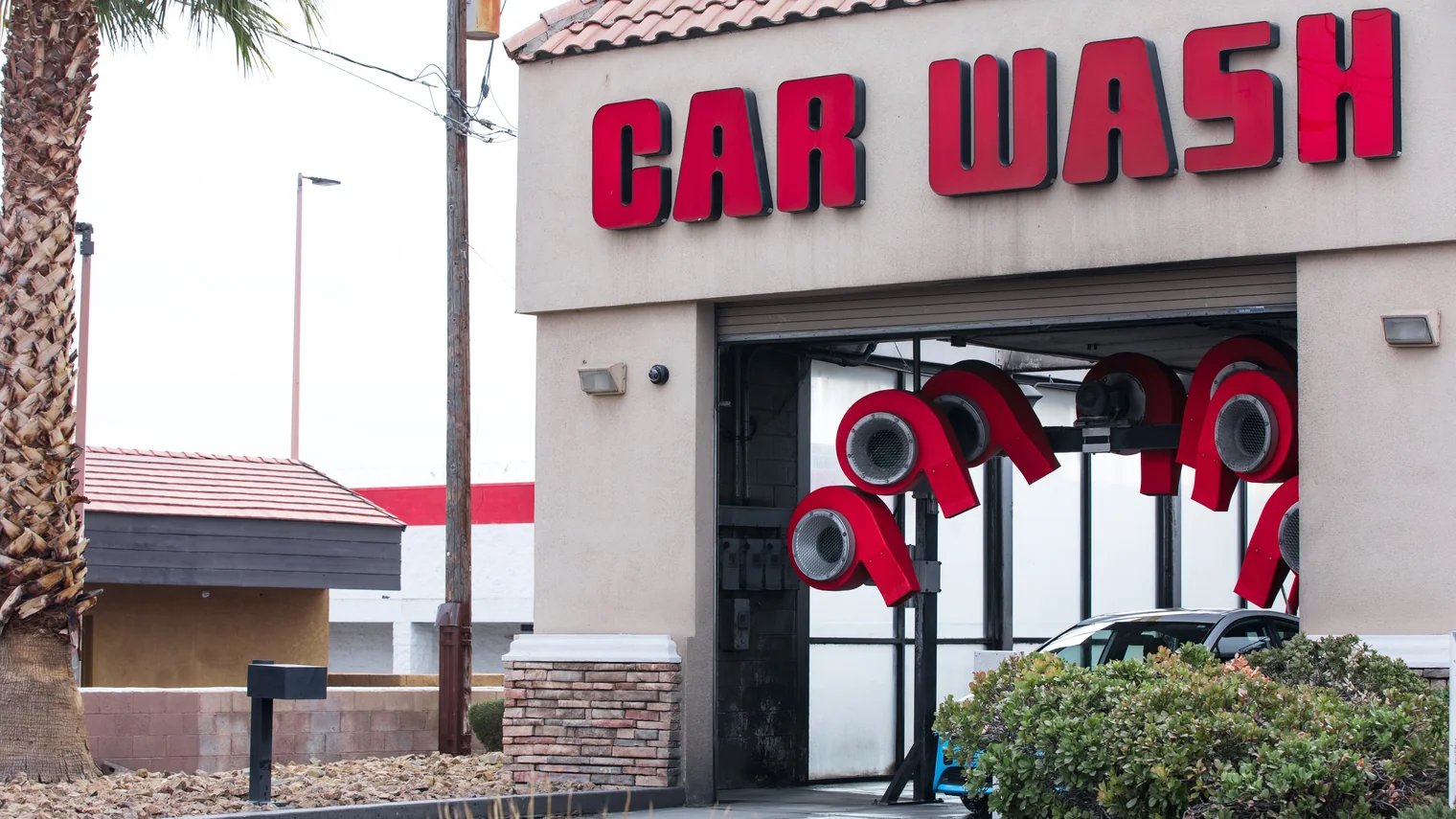
Common Car Wash Risks in AZ
Arizona’s risk profile for car wash operators combines a high-severity desert
climate with a year-round wash demand curve that keeps equipment running more continuously
than in northern states. The following risk categories are among the most frequently
encountered across the Phoenix metro, Tucson, and secondary markets.
Phoenix-Area Monsoon-Season Hail and Microburst Wind
The Arizona monsoon season — typically beginning in June and running through September —
generates haboob dust storms, afternoon thunderstorm cells, and periodic hail events
across the greater Phoenix metro and extending to Tucson. Microburst wind events can
exceed 60 miles per hour in localized cells, damaging wash canopies, signage, vacuum
equipment, and in some cases the wash tunnel structure itself. Hail causes equipment
damage to exposed dryer housings, reclaim lids, and vehicle exteriors. Property insurance
with current replacement-cost values and a clear equipment schedule is the primary tool
for managing this seasonal exposure.
Desert-Dust Accelerated Filtration and Reclaim Wear
Sonoran Desert dust — fine silica particles carried by wind events and tracked onto
vehicle surfaces — creates the highest-sediment soil load of any car wash market in
the country. Reclaim systems process this sediment continuously, leading to accelerated
membrane fouling, filter clogging, and reclaim pump wear at rates substantially higher
than national averages. Equipment breakdown coverage is particularly relevant for
Arizona operators because filtration component failures are more frequent, and forced
downtime during a high-volume wash day has direct business-income consequences.
Severe Summer Heat Impact on Chemistry and Seals
Phoenix-area summer temperatures regularly exceed 110°F, and the thermal environment
inside a wash bay or tunnel can substantially exceed ambient temperature. Heat degrades
hydraulic seals on high-pressure wand systems, accelerates the breakdown of wash
chemistry concentrations, and stresses electrical components in dryer motors and conveyor
drive systems. Operators who do not maintain a documented summer heat-management
inspection protocol — checking hydraulic seals, chemistry titration, and electrical
connections before and during peak summer season — present higher equipment breakdown
frequency to underwriters.
Vacuum and Coin Theft in Growing Phoenix-Metro Exurbs
Self-service and express exterior operations with unattended vacuum stations in the West
Valley and East Valley exurban growth areas — Surprise, Buckeye, Queen Creek, and
similar developing communities — have experienced elevated vacuum-station coin and
credit-card-reader theft as retail density grows ahead of local security infrastructure.
Property policies that schedule vacuum equipment at actual replacement cost, combined
with commercial crime coverage for coin-box theft and credit-card-reader tampering,
address this exposure. Camera coverage and lighted forecourt design are also
underwriting considerations.
Pollution and Runoff into Desert Washes
Arizona’s desert topography channels runoff into natural desert wash drainages
that are ecologically sensitive receiving waters. Soap, degreaser, and reclaim-overflow
discharge into those channels can trigger ADEQ regulatory response and associated cleanup
costs. Standard commercial general liability policies exclude pollution, meaning a runoff
event that generates regulatory-response costs or third-party property damage may not be
covered without a stand-alone pollution liability endorsement or policy.
Lightning Ground-Strike Risk on Monsoon Afternoons
Arizona ranks among the top states nationally for lightning frequency during the monsoon
season, and afternoon ground-strike events are common across the Phoenix and Tucson
basins. Lightning poses direct damage risk to control panels, POS systems, dryer
electrical circuits, and conveyor drive components. Equipment breakdown coverage with
a lightning-damage sub-limit is the standard tool; owners should also verify that
their property policy does not exclude lightning strikes through a flood or earth-movement
carve-out that some carriers use in unusual desert-market forms.