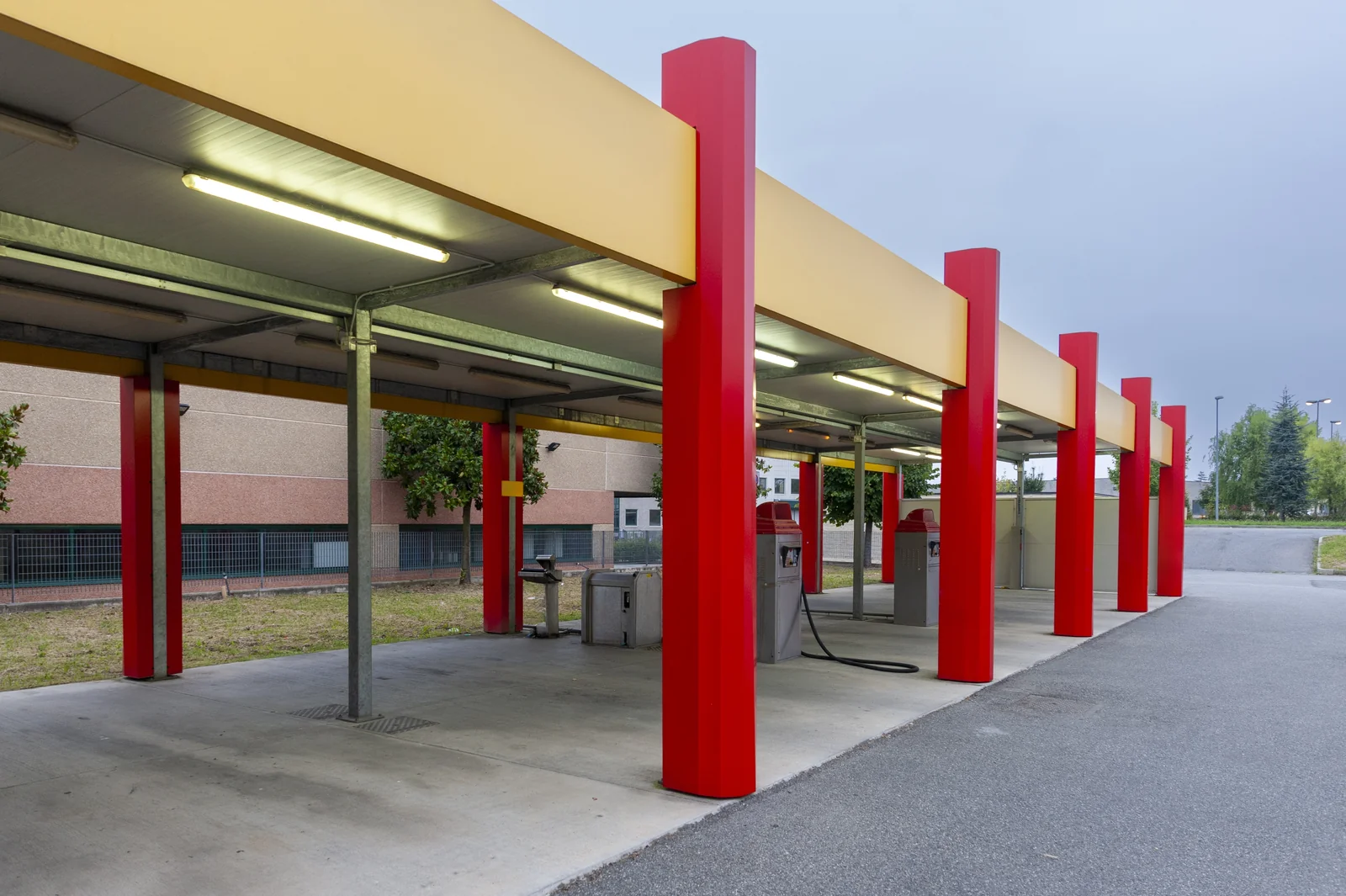
Common Car Wash Risks in Vermont
Vermont’s combination of severe winter climate, ski-industry tourism demand,
water-quality sensitivity around Lake Champlain and the Connecticut River, and the
operational reality of equipment-service lead times in a rural state creates a risk
profile that generic commercial insurers rarely price correctly for the car wash class.
Understanding the dominant exposures helps owners structure the right program at every
renewal.
Severe Winter: Heavy Snow, Freeze Rupture, and Ice Damming on Canopies
Vermont winters are consistently among the most demanding in the northeastern United
States outside of northern Maine. Heavy snowfall from Nor’easter events, lake-effect
enhancement from Lake Champlain in the western corridor, and extended deep-cold periods
in the mountain interior all create structural and mechanical stress on car wash
facilities. Water-supply lines, reclaim-system holding tanks, and chemical-feed
plumbing without adequate heat tracing or insulation are vulnerable to freeze rupture
during hard-cold events. Ice damming on canopy structures and building rooflines is a
recurring property damage category, particularly at facilities with flat or low-pitch
rooflines that allow ice to accumulate at drainage edges.
Heavy Road Salt and Brine Application
Vermont applies road salt and liquid brine extensively across the state highway network
from approximately October through April, with the application season extending into
May in higher-elevation corridors. The salt-laden wash water processed by conveyor
chains, rollers, guide rails, dryer components, and reclaim-system tanks accelerates
corrosion at a rate that operators in warmer states do not experience. Deferred
maintenance on corroded conveyor drive chains and undercarriage-wash heads is a
leading cause of mid-season equipment breakdowns in Vermont, particularly at facilities
in the I-89 corridor and the mountain resort approaches.
Ski-Industry Winter Tourism Demand Peaks
Vermont’s ski industry—anchored by Stowe, Killington, Sugarbush, Okemo,
Mad River Glen, and a network of smaller resort areas—generates pronounced
winter tourism demand from December through March. Car washes in the Stowe, Rutland,
and Mad River Valley corridors experience significant throughput increases during peak
ski weeks precisely when equipment stress from cold temperatures and road salt is
highest. The combination of high utilization and high mechanical stress during the
same seasonal window elevates equipment-breakdown frequency and garagekeepers
exposure simultaneously.
Lake Champlain and Connecticut River Pollution Sensitivity
Car wash chemistry—surfactants, degreasers, and wash water carrying road
contamination—must be handled and discharged in compliance with VT DEC standards
given Vermont’s particularly active water-quality protection posture around
Lake Champlain and the Connecticut River. The Lake Champlain basin’s phosphorus
reduction framework makes the VT DEC’s oversight of stormwater discharges in
the Burlington-Chittenden corridor unusually rigorous compared to most inland-state
regulatory environments. A discharge event that reaches Lake Champlain or its
tributaries can trigger VT DEC enforcement as well as a pollution liability claim.
The Connecticut River valley markets carry a parallel obligation under the interstate
watershed compact.
Equipment-Service Lead Times Outside Burlington-Chittenden
Vermont’s rural geography and limited major-metro distribution infrastructure
mean that tunnel and conveyor equipment service outside the Burlington-Chittenden
corridor can involve lead times that are meaningfully longer than in a large metro
market. A conveyor drive failure in Stowe on a busy ski weekend, a dryer motor failure
in Rutland during peak Killington season, or a reclaim system pump failure in
Brattleboro may wait days for parts or specialized technicians that would arrive
same-day in a Boston or New York suburb. Business income coverage must account for
realistic Vermont-specific repair timelines, not metro-market assumptions.
Garagekeepers Liability on High-Value Ski-Tourist Vehicles
Vermont’s ski-resort markets attract visitors who frequently arrive in
higher-value vehicles—late-model SUVs, luxury crossovers, and performance
vehicles that are common in the Stowe, Killington, and Mad River Valley visitor mix.
A garagekeepers claim involving a high-value vehicle from an out-of-state ski tourist
during peak season can test the adequacy of the per-vehicle garagekeepers limit on
the program. Operators in resort-adjacent markets should review garagekeepers limits
at each renewal in light of the seasonal vehicle mix.