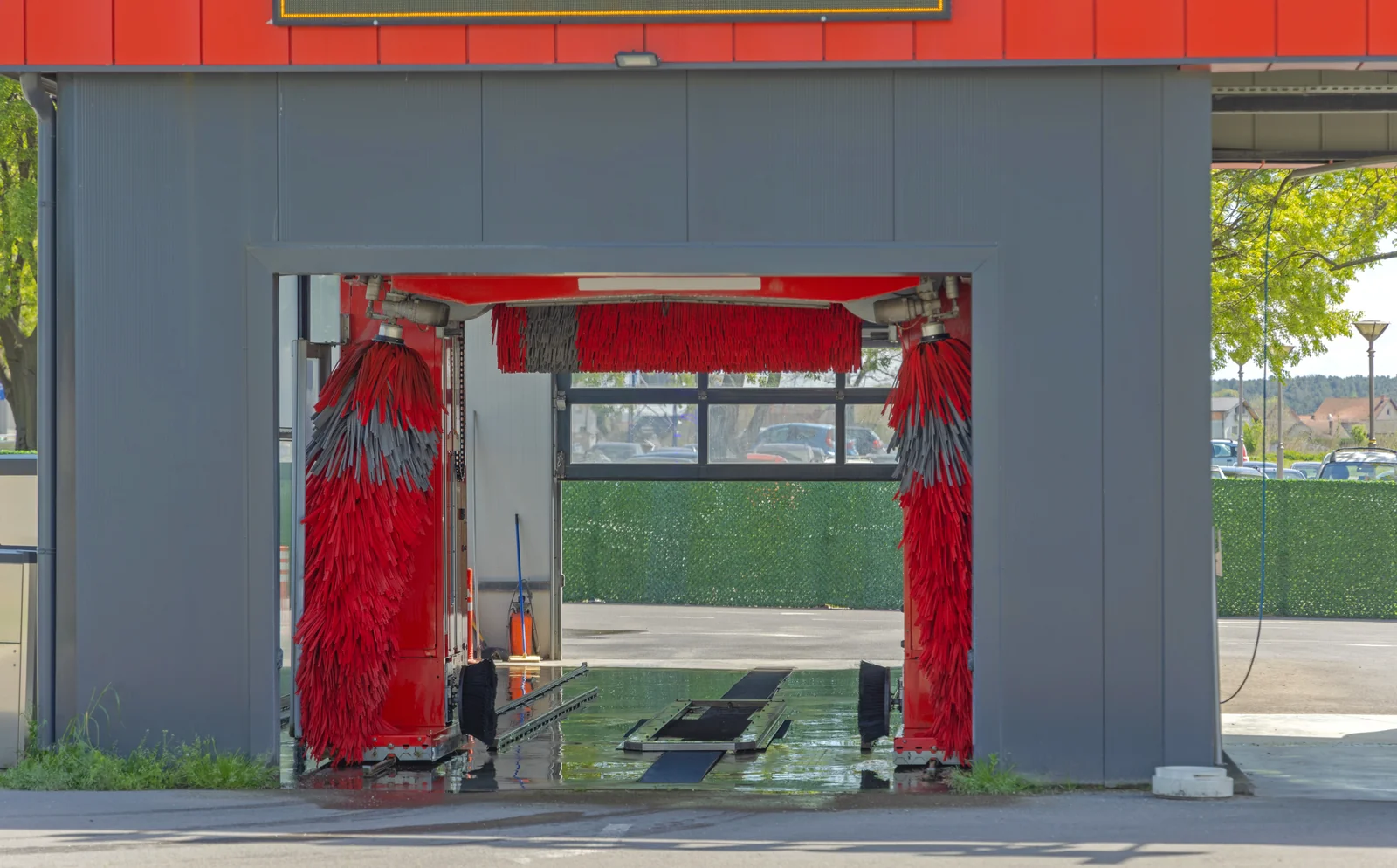
Common Car Wash Risks in New Hampshire
New Hampshire’s combination of severe winter climate, Atlantic Seacoast exposure,
cross-border retail dynamics, pronounced tourism seasonality, and environmental
sensitivity around its watersheds creates a risk profile that requires specialty
market knowledge to underwrite correctly. Understanding the dominant exposures
by region helps owners structure the right program.
Severe Winter: Heavy Snow, Freeze Rupture, and Ice
New Hampshire winters rank among the most demanding in the contiguous United States.
The White Mountains region regularly receives some of the heaviest snowfall
accumulations in New England, and Mount Washington records wind and temperature
conditions that are extreme by any standard. Heavy snow accumulation on canopy
structures and equipment-enclosure roofs creates structural snow-load stress.
Water-supply lines, reclaim-system holding tanks, and chemical-feed plumbing
without adequate heat tracing or insulation are vulnerable to freeze rupture during
hard-cold events. Ice damming on building rooflines and canopy edges is a recurring
property damage category at facilities throughout the state, and freeze-thaw cycling
in the spring shoulder amplifies damage to concrete and pavement surfaces on the
forecourt.
Road-Salt and Brine Corrosion on Conveyors and Reclaim Systems
New Hampshire applies road salt and liquid brine extensively across the state’s
highway network from October through April, with application on I-93, I-89, I-95,
and the US-3 corridor extending the corrosive wash-water season well into spring.
The salt-laden wash water processed by conveyor chains, rollers, guide rails, and
reclaim-system components accelerates corrosion at a rate that operators in warmer
states do not experience. Deferred maintenance on corroded conveyor drive chains and
undercarriage-wash heads is a leading cause of mid-season equipment breakdowns.
Reclaim system corrosion also raises questions about discharge water quality under
NHDES standards.
Cross-Border Traffic Volume and Garagekeepers Exposure
New Hampshire’s absence of a general sales tax draws cross-border retail
shoppers from Massachusetts, generating vehicle counts at I-93 corridor and
Route 3 car washes in Nashua and Salem that substantially exceed what local
population alone would produce. Higher throughput means more customer vehicles
in care, custody, and control per day—directly elevating garagekeepers
exposure. The mix of out-of-state vehicles, some with higher-value profiles
than the average local market, also affects the severity potential of
garagekeepers claims at border-market facilities.
Atlantic Seacoast Salt-Air Corrosion
New Hampshire’s Seacoast corridor—from the Massachusetts border through
Hampton Beach, Rye, and into Portsmouth—exposes car wash equipment to a
chronic salt-air corrosion environment. Even facilities not processing road-salt-laden
vehicles experience accelerated wear on metal conveyor components, electrical
connections, and structural fasteners from ambient Atlantic salt air. Equipment
replacement cycles in the Seacoast corridor run shorter than for equivalent inland
facilities, and equipment-breakdown frequency is correspondingly elevated.
Pollution Sensitivity in Merrimack, Connecticut, and Pemigewasset Watersheds
Car wash chemistry—surfactants, degreasers, and wash-water carrying road
contamination—must be handled and discharged in compliance with NHDES standards
given the state’s sensitivity around watershed water quality. The Merrimack
River flows through Manchester and Concord—two of the state’s largest
car wash markets—and is subject to active NHDES water-quality protection.
A discharge event that reaches a protected watershed can trigger NHDES enforcement
as well as a pollution liability claim. Specialty carriers writing New Hampshire
car wash risks factor the operator’s reclaim system and discharge compliance
into their underwriting posture.
Summer Tourism Surge and Liability Exposure
Summer tourism in the Lakes Region, White Mountains, and Seacoast dramatically
increases daily vehicle count at car washes in affected markets from late May
through Labor Day. Higher throughput elevates garagekeepers exposure, general
liability exposure from increased foot traffic on the forecourt and vacuum areas,
and workers compensation exposure as facilities add seasonal staff. Motorcycle
Week in Laconia and fall foliage season across the state create additional
concentrated demand spikes. Owners should confirm that policy limits are adequate
for peak-season throughput rather than off-peak baseline volume.