Common Car Wash Risks in Idaho
Idaho’s risk profile for car wash operators combines mountain-state freeze exposure
with high-sediment agricultural dust, Snake River watershed pollution considerations,
and year-round tourism demand in the northern and resort markets. The following risk
categories are among the most frequently encountered across the state.
Winter Freeze and Pipe-Rupture Risk
Idaho’s mountain valleys — Sun Valley, Ketchum, Stanley, and elevated
communities in the Sawtooth and Bitterroot ranges — experience extended hard-freeze
periods with overnight temperatures well below zero. Even Boise and Treasure Valley
communities see periodic hard freezes that can rupture unprotected water supply lines,
reclaim system connections, and exterior pipe runs. Freeze-rupture claims at car washes
typically involve burst supply lines, cracked reclaim tanks, and damaged pump housings.
Documented winterization protocols — heat tape, pipe draining, insulated enclosures
— are both a loss-prevention measure and an underwriting compliance condition on
most property forms.
Agricultural and High-Desert Dust Accumulation
The Snake River Plain’s agricultural economy — potatoes, dairy, sugar beets,
grain — generates dust that is both fine-grained and high in organic and mineral
content. Wash operations in the Treasure Valley, Magic Valley, and eastern Idaho process
this dust in reclaim systems continuously during growing and harvest seasons. The sediment
loads shorten filter and membrane service intervals, increase pump wear, and create
reclaim-system maintenance demands that operators in lower-dust markets do not face.
Equipment breakdown coverage is particularly relevant in these markets because filtration
component failures are more frequent and forced downtime during high-demand harvest
periods has direct business-income consequences.
Pollution Liability near Snake River and Lake Coeur d’Alene Watersheds
Idaho’s two most discharge-sensitive water bodies — the Snake River system
and Lake Coeur d’Alene — are both subject to active IDEQ and federal EPA
oversight. Standard commercial general liability policies exclude pollution claims,
meaning soap, degreaser, and reclaim-overflow discharge into nearby drainage channels
can generate regulatory response costs and third-party environmental claims that are
not covered without a stand-alone pollution liability policy. Operators within the
drainage basins of these systems face a real coverage gap if they operate on a standard
GL-only program.
Vacuum and Coin Theft in Growing Boise Metro Exurbs
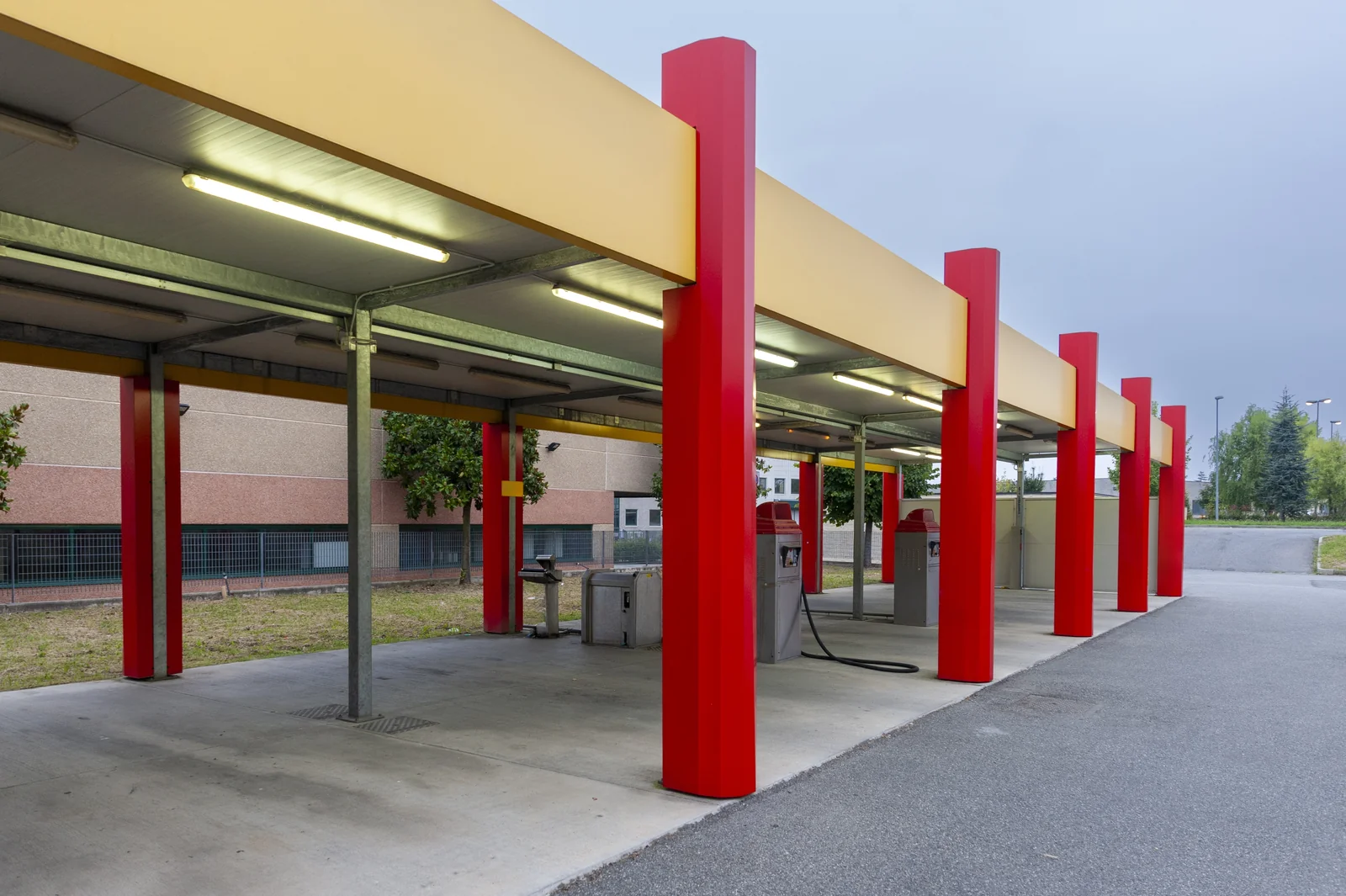
Self-service and express exterior operations with unattended vacuum stations in the
Treasure Valley’s fastest-growing communities — Meridian, Nampa, Star,
Kuna, and Eagle — have experienced elevated vacuum-station and coin-box theft as
retail density grows ahead of local security infrastructure. Property policies that
schedule vacuum equipment at actual replacement cost, combined with commercial crime
coverage for coin-box theft and card-reader tampering, address this exposure. Camera
coverage and lighted forecourt design are also favorable underwriting signals.
Slip-and-Fall on Wet Forecourt Surfaces
Wet pavement around vacuum stations, at tunnel entrances, and at pay stations is the
leading general-liability exposure at Idaho car washes, as it is nationally. Idaho’s
seasonal temperature swings create additional hazards: meltwater and re-freeze cycles at
Boise-area operations in winter produce ice on forecourts that wet-pavement signage alone
does not adequately address. Claims in this category are defended under the general
liability policy, and carriers typically request evidence of wet-surface and ice-warning
protocols, slip-resistant surface materials, and a documented incident-reporting process.
Low-Humidity Equipment Corrosion
Idaho’s inland, high-desert climate creates a low-humidity environment that can
accelerate certain forms of metal corrosion on exposed equipment — particularly
electrical connections, brush hardware, and conveyor metal components in operations
where wash water chemistry is not carefully managed. While this corrosion dynamic is
less acute than salt-air coastal corrosion, the combination of high mineral content
in reclaimed water and low ambient humidity creates equipment wear patterns that
operators and underwriters with primarily coastal or humid-climate experience may
underestimate.